
How to Elope in Italy: The Complete Guide (2026)
What Eloping in Italy Really Means Today
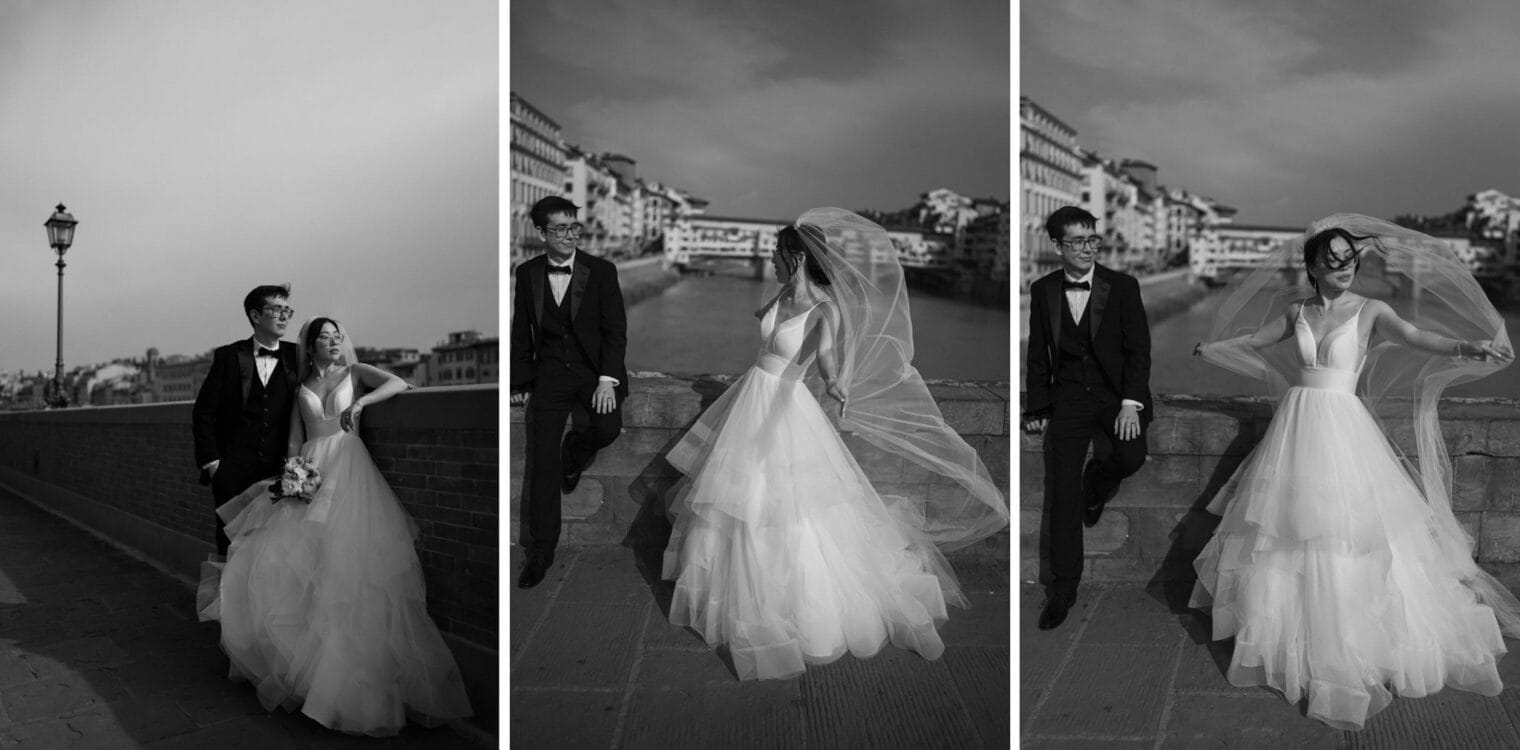
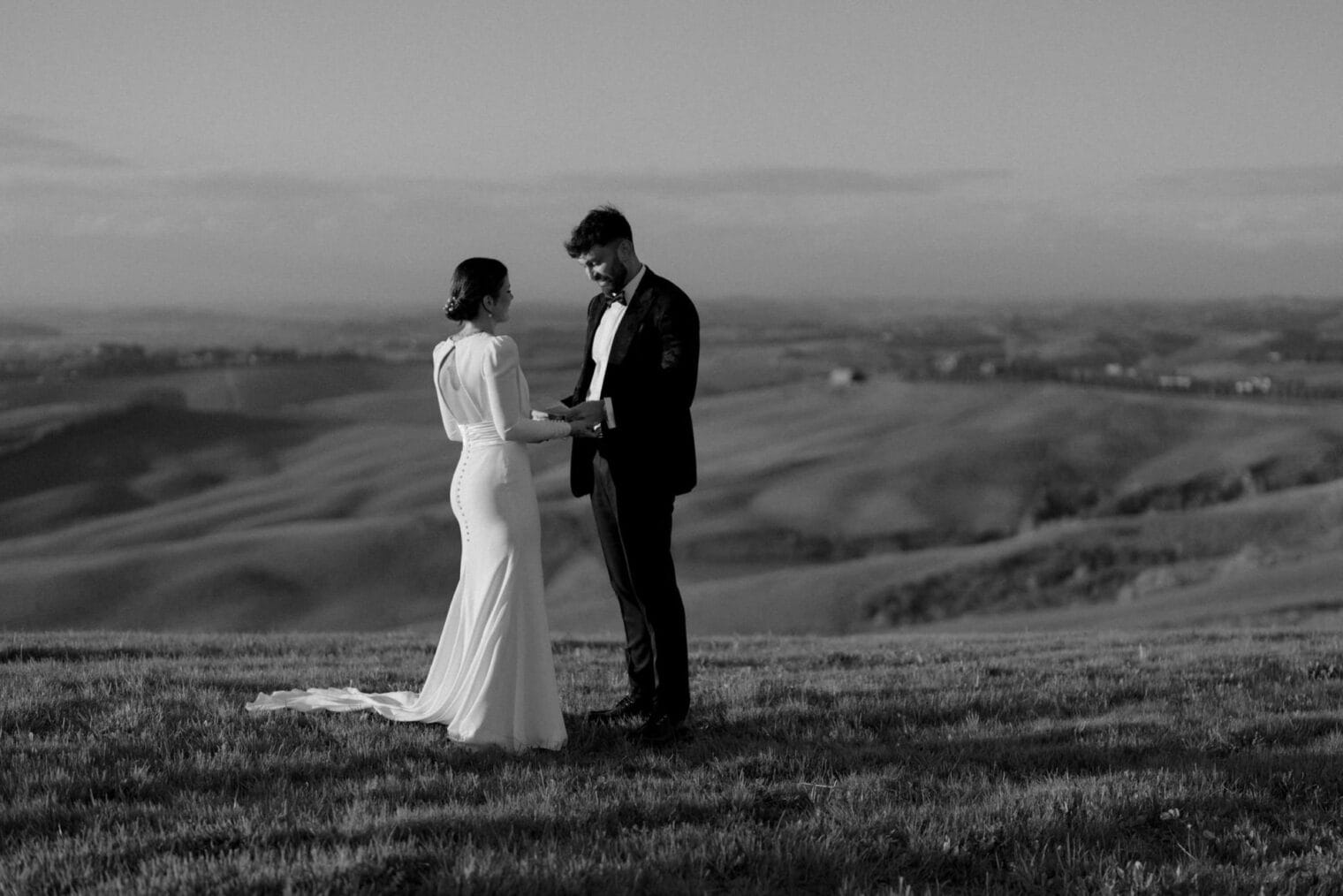
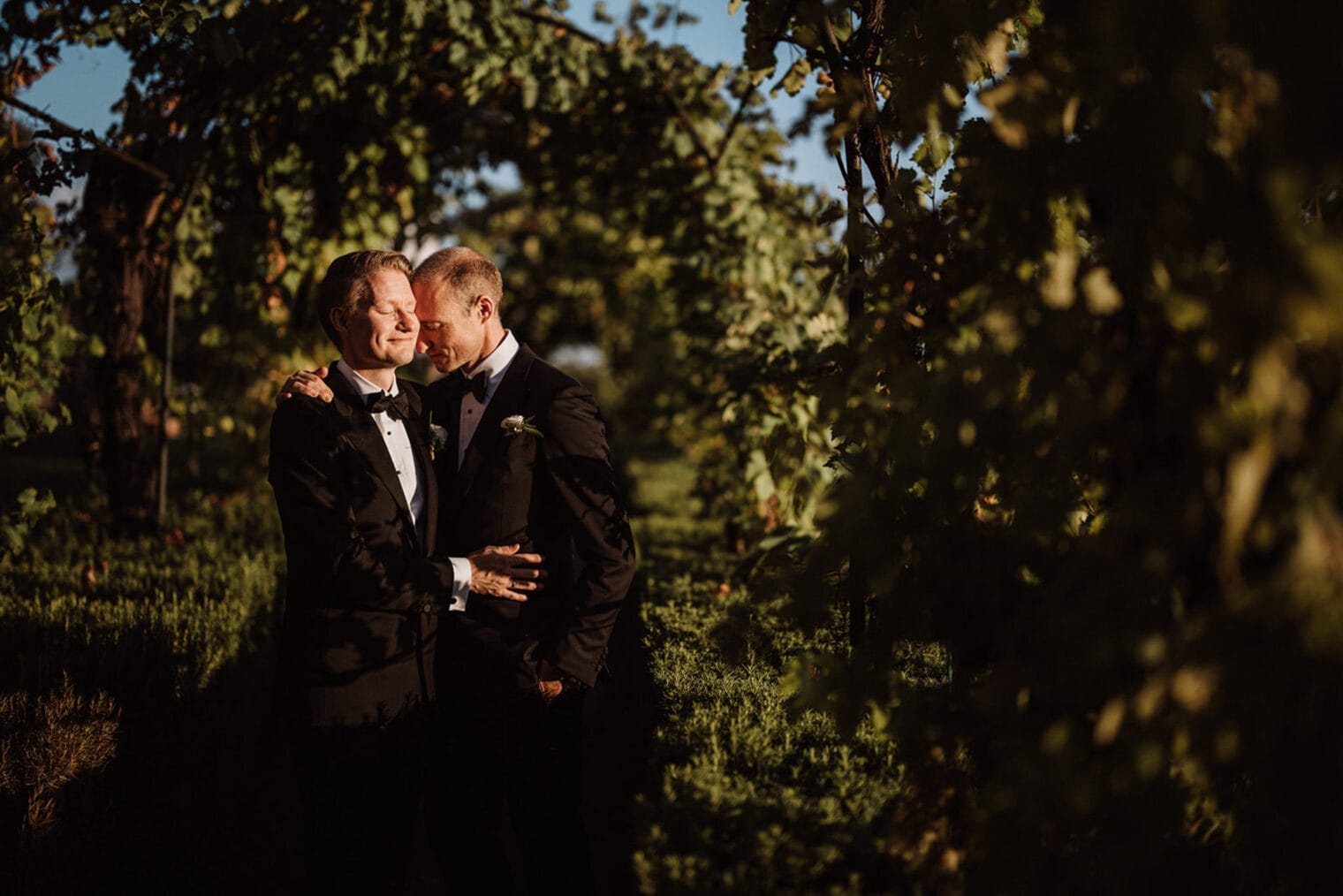
Wondering how to elope in Italy? the first thing to understand is the modern interpretation of what it means to elope. Far from the historical notion of fleeing in secret to wed, eloping today embodies the concept of celebrating a wedding that is small, intimate, and profoundly authentic. It’s centered around the unique experiences and emotions of your special day, offering the freedom to craft an unparalleled wedding, unrestricted by convention, focused solely on what matters most to you.
Over 500 weddings and elopements across Italy, I’ve watched this shift happen firsthand. Couples aren’t choosing to elope because they can’t have a big wedding — they’re choosing it because they want something that actually feels like them. This guide walks you through everything you need to know: whether it’s legal, what it really costs, where to go, when to go, and how to plan it without losing your mind in the process.


Is It Legal to Elope in Italy as a Foreigner?
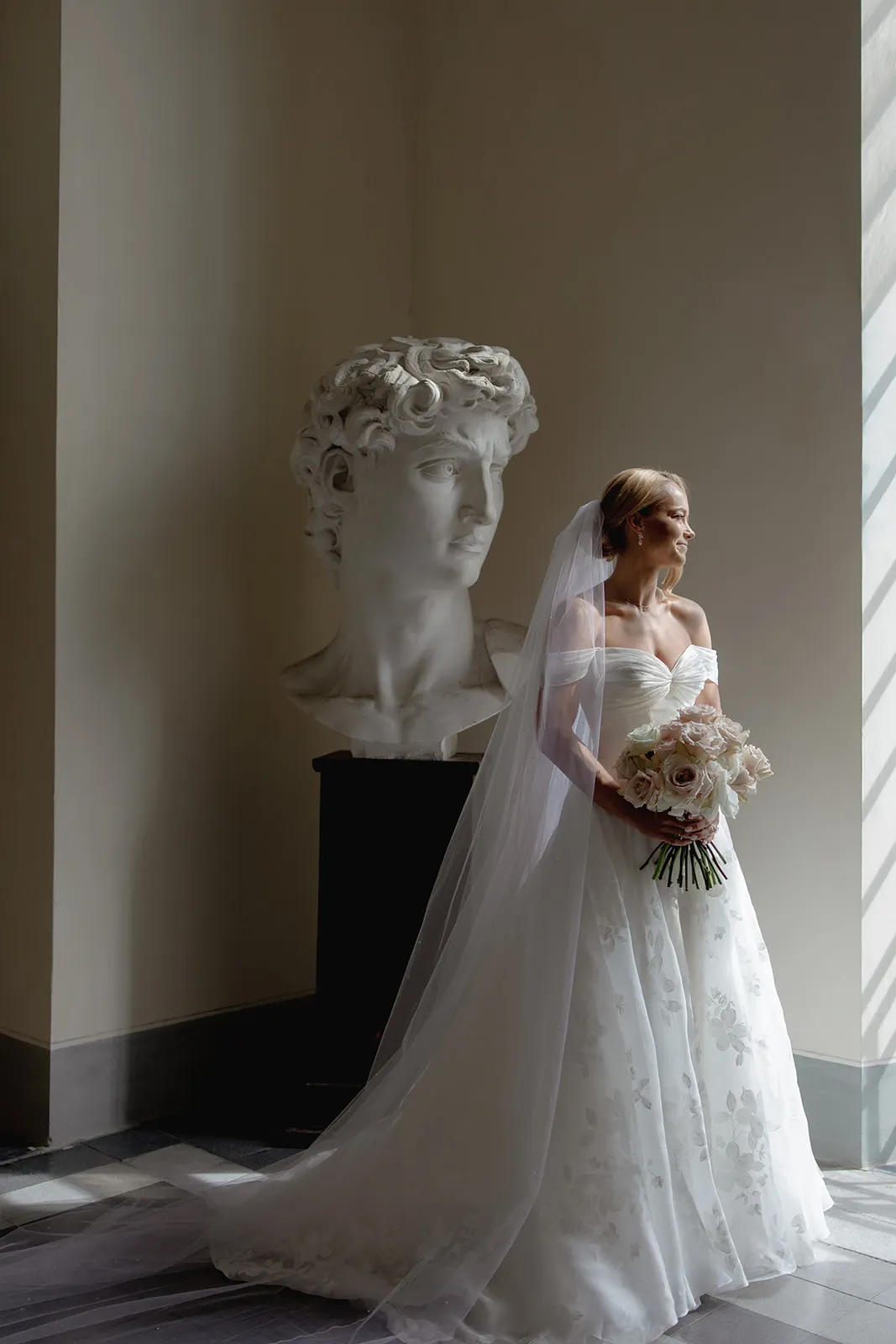
Yes; foreigners can legally marry in Italy, and it’s more straightforward than most couples expect once you understand the two paths available to you.
Civil marriage (legally binding in Italy) This is a full legal ceremony performed by an Italian civil registrar (ufficiale di stato civile). The exact documents required depend on your nationality, but generally include:
- A valid passport
- A Nulla Osta (certificate of no impediment to marriage), obtained from your home country’s embassy or consulate in Italy
- An Atto Notorio (a sworn declaration, required for some nationalities, including US citizens), sworn before the consulate
- Birth certificates, and in some cases, a declaration of intention to marry filed with the local comune
Because requirements vary significantly by country, I always recommend couples confirm the current document list directly with their nearest Italian consulate before finalizing plans — rules and processing times shift, and getting this step wrong is the single most common source of stress in the planning process.

How Much Does It Cost to Elope in Italy?
Costs vary widely depending on region, season, and how many people you bring — but here’s a realistic breakdown based on what I see couples actually spend:
- Venue/location fee: €0–€3,000 (public scenic spots are often free with a permit; private villas and gardens range considerably)
- Officiant (symbolic ceremony): €300–€800
- Legal marriage fees at the comune: roughly €200–€600, depending on the municipality
- Photography: packages typically start around €1,800 and scale with coverage hours and film vs. digital ( My Packages here )
- Videography: €1,200–€3,500
- Hair & makeup: €200–€500
- Flowers: €150–€600 depending on style and season
- Dinner or celebration for a small guest list: €80–€200 per person at a private venue
A truly minimal elopement, just the two of you, an officiant, and a photographercan be done for under €5,000 all-in. Add a small guest list, a private dinner, and full-day coverage, and most couples land between €8,000 and €18,000. Location matters enormously here: Tuscany and Umbria tend to offer more value for private villa access than Lake Como or the Amalfi Coast, where demand pushes prices considerably higher.
The Best Regions for an Elopement in Italy
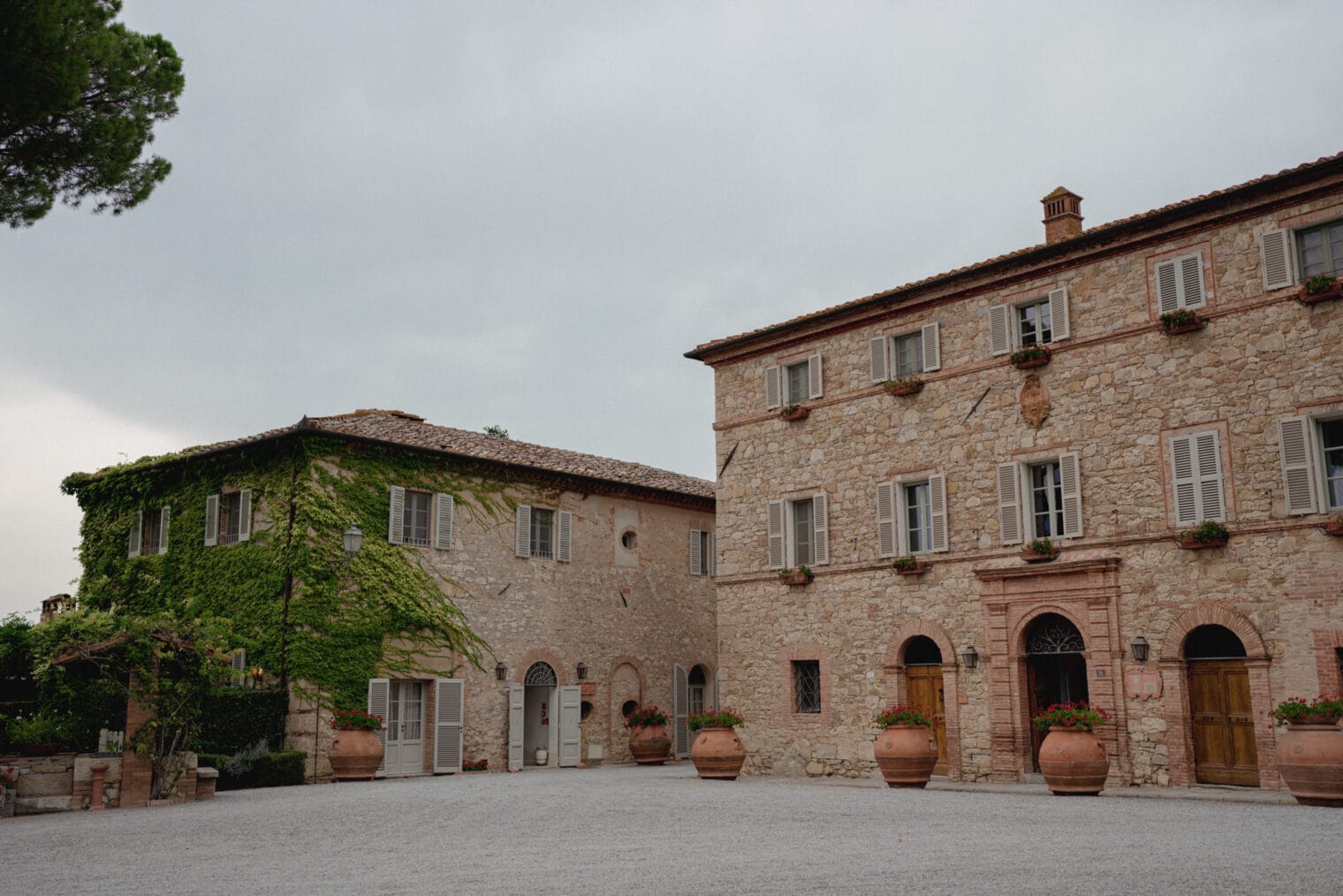
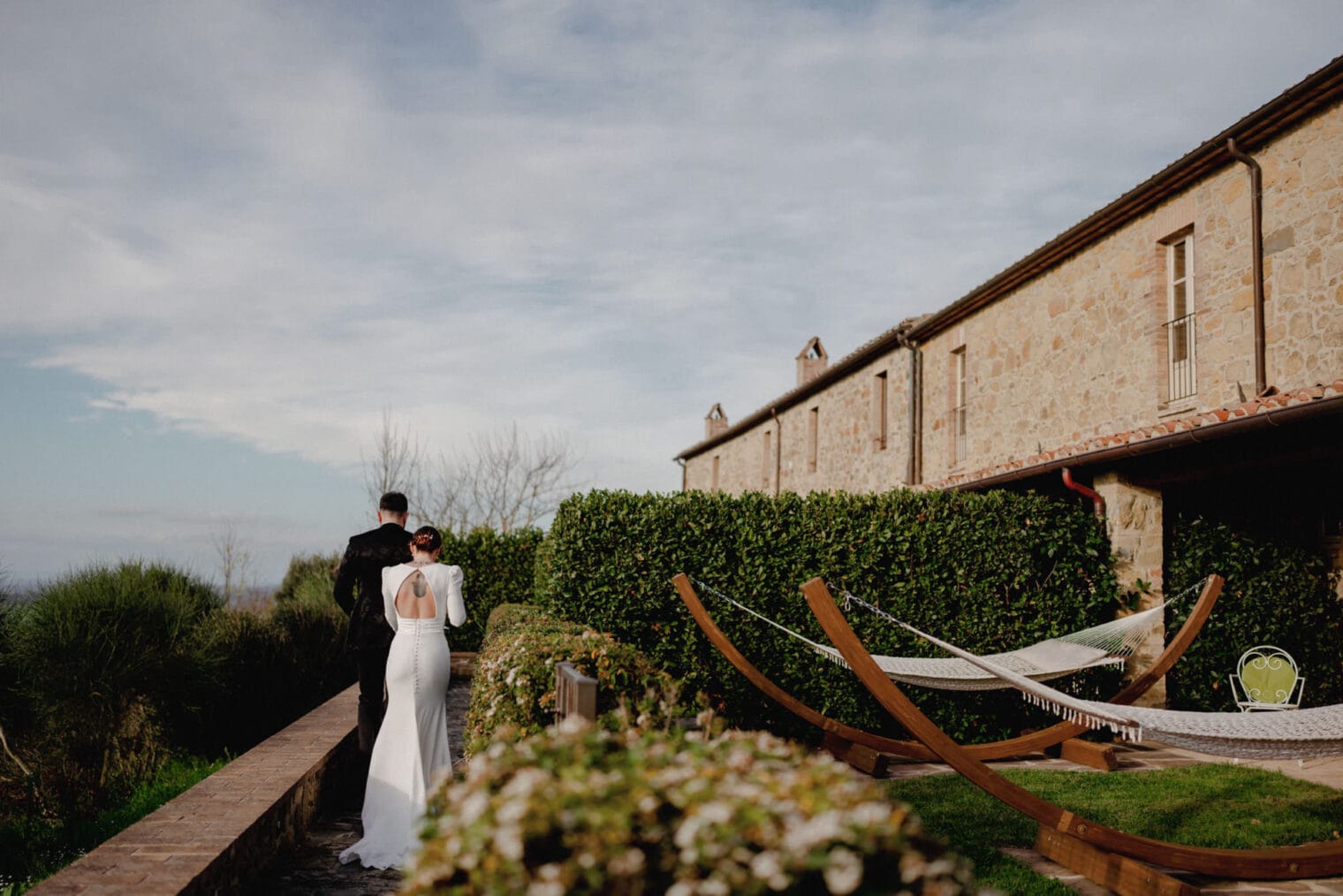
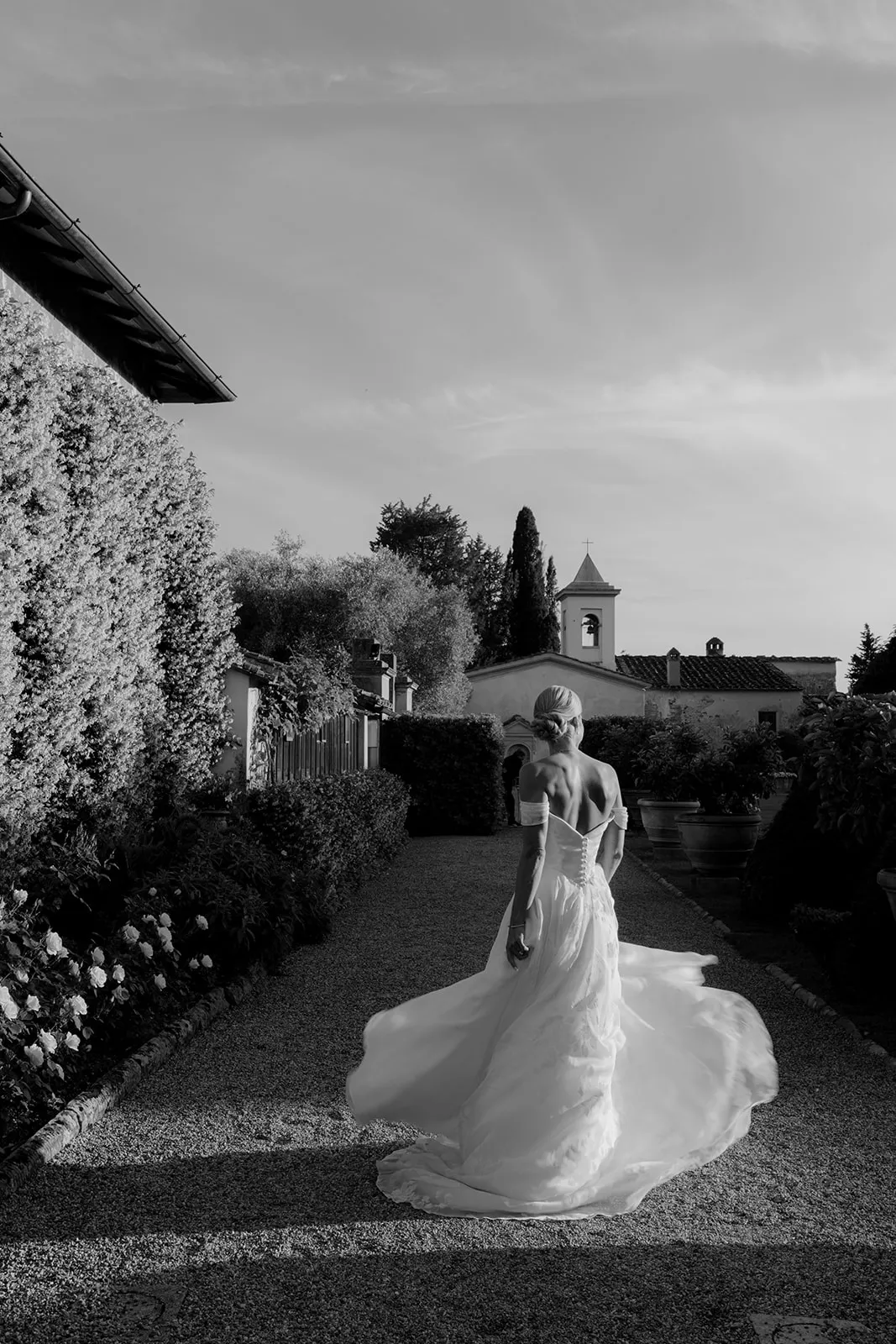
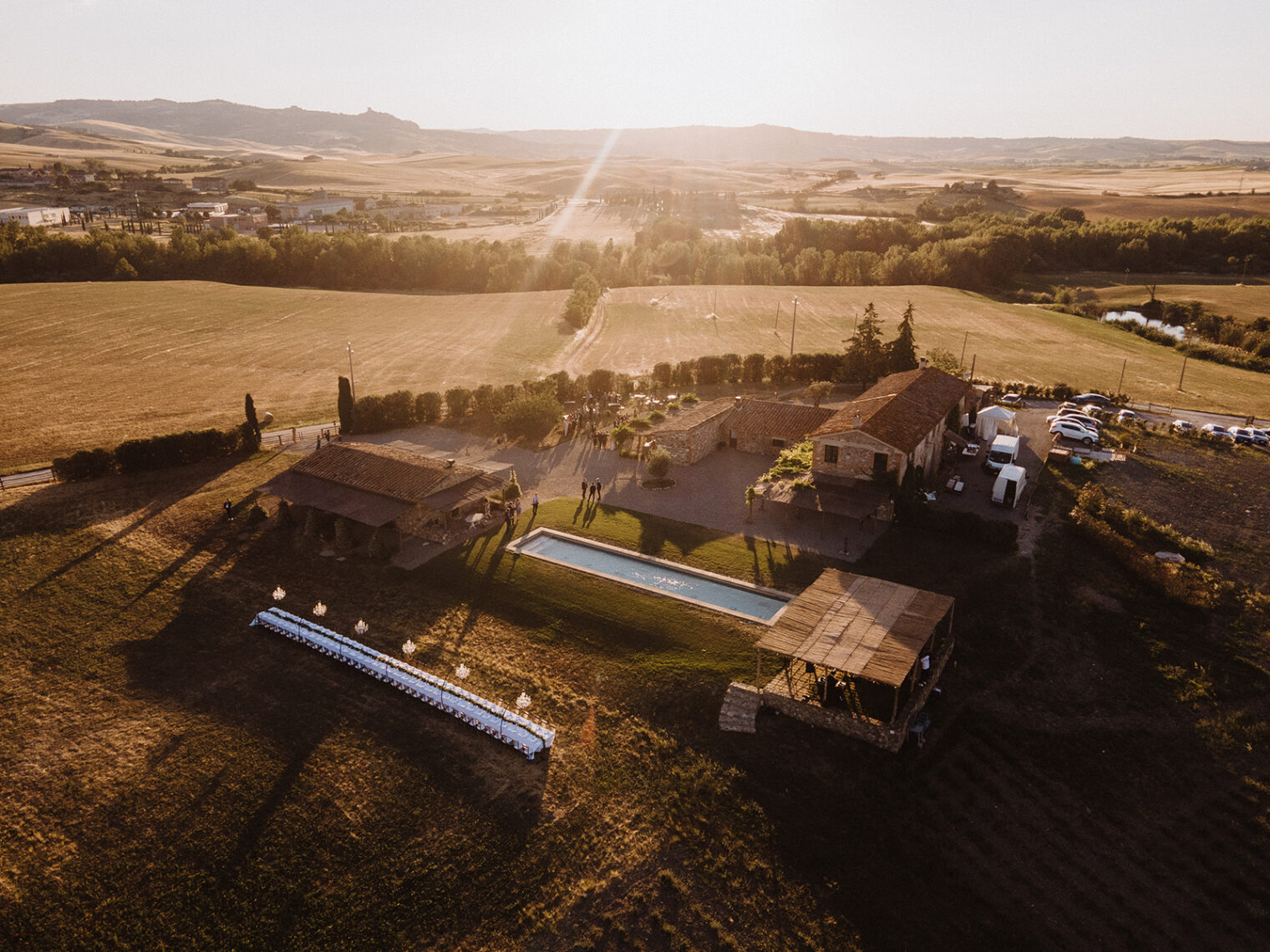
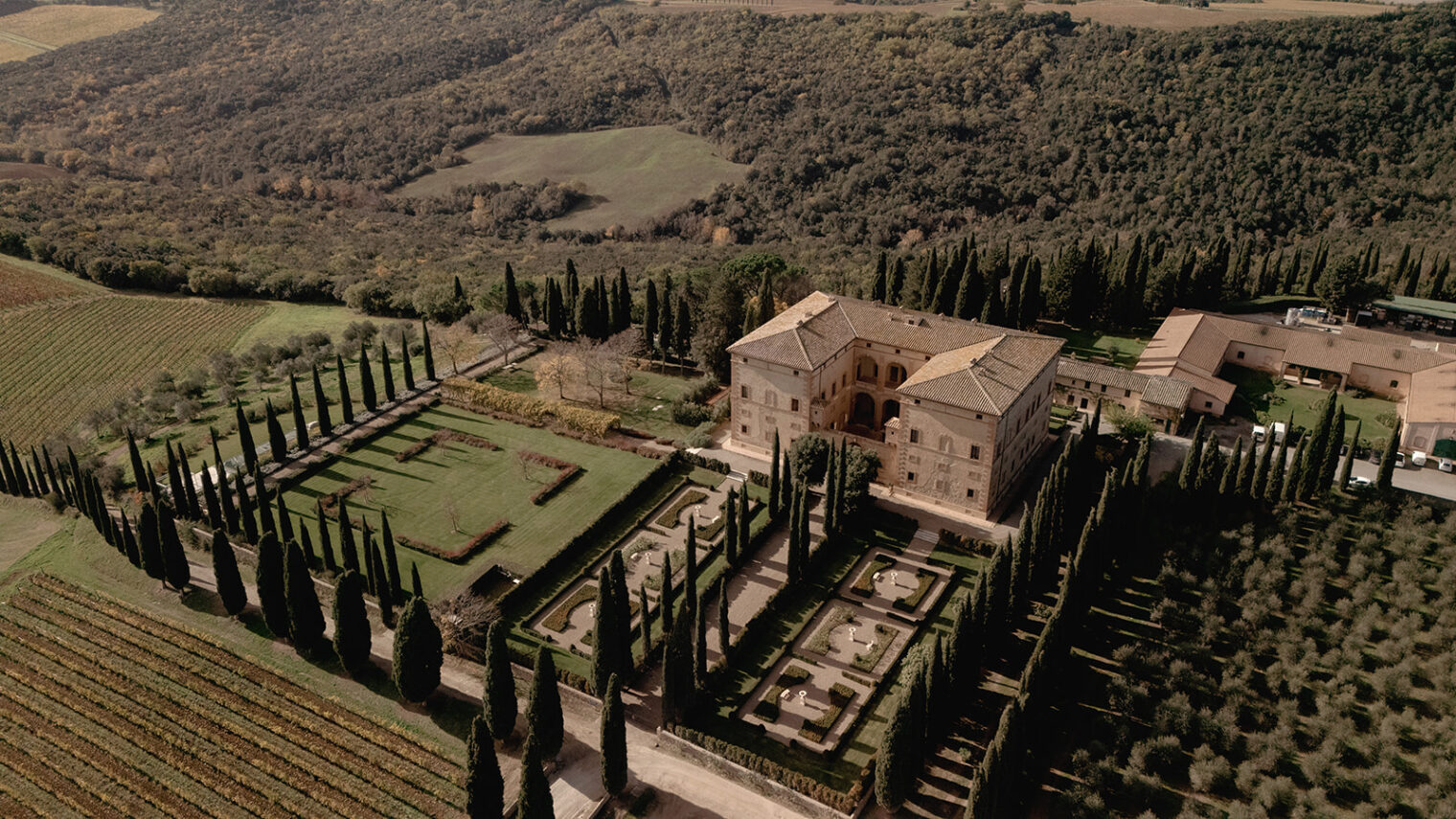
Tuscany Rolling cypress-lined hills, historic stone villas, and golden late-afternoon light make Tuscany the most requested region among the couples I work with. It’s especially strong for couples who want a countryside feel with easy access to Florence or Siena for additional days of celebration.
Umbria Quieter and less touristy than Tuscany, Umbria offers dramatic hilltop towns and a similarly stunning landscape at a gentler pace — and often at a lower cost for venues.
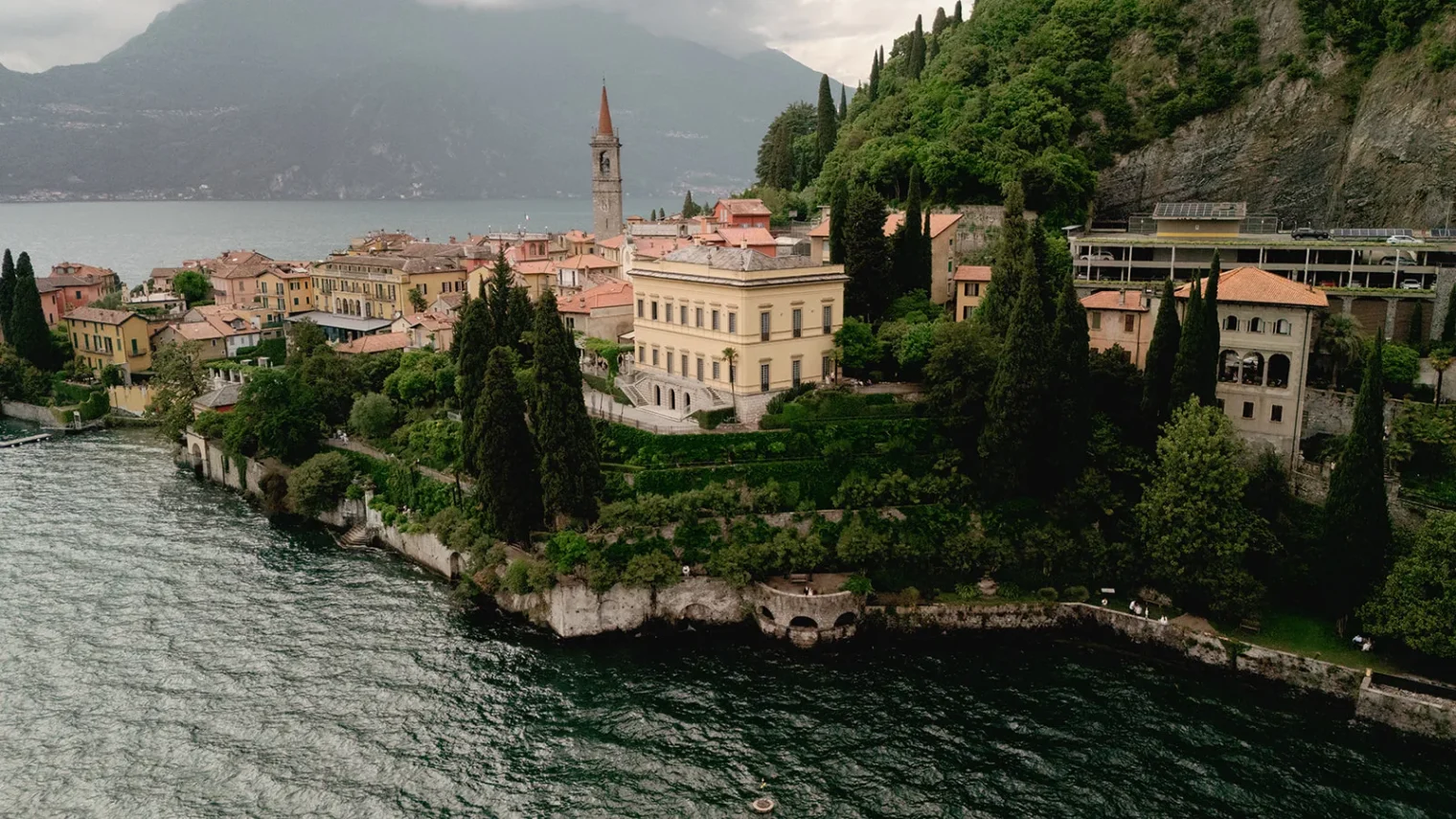
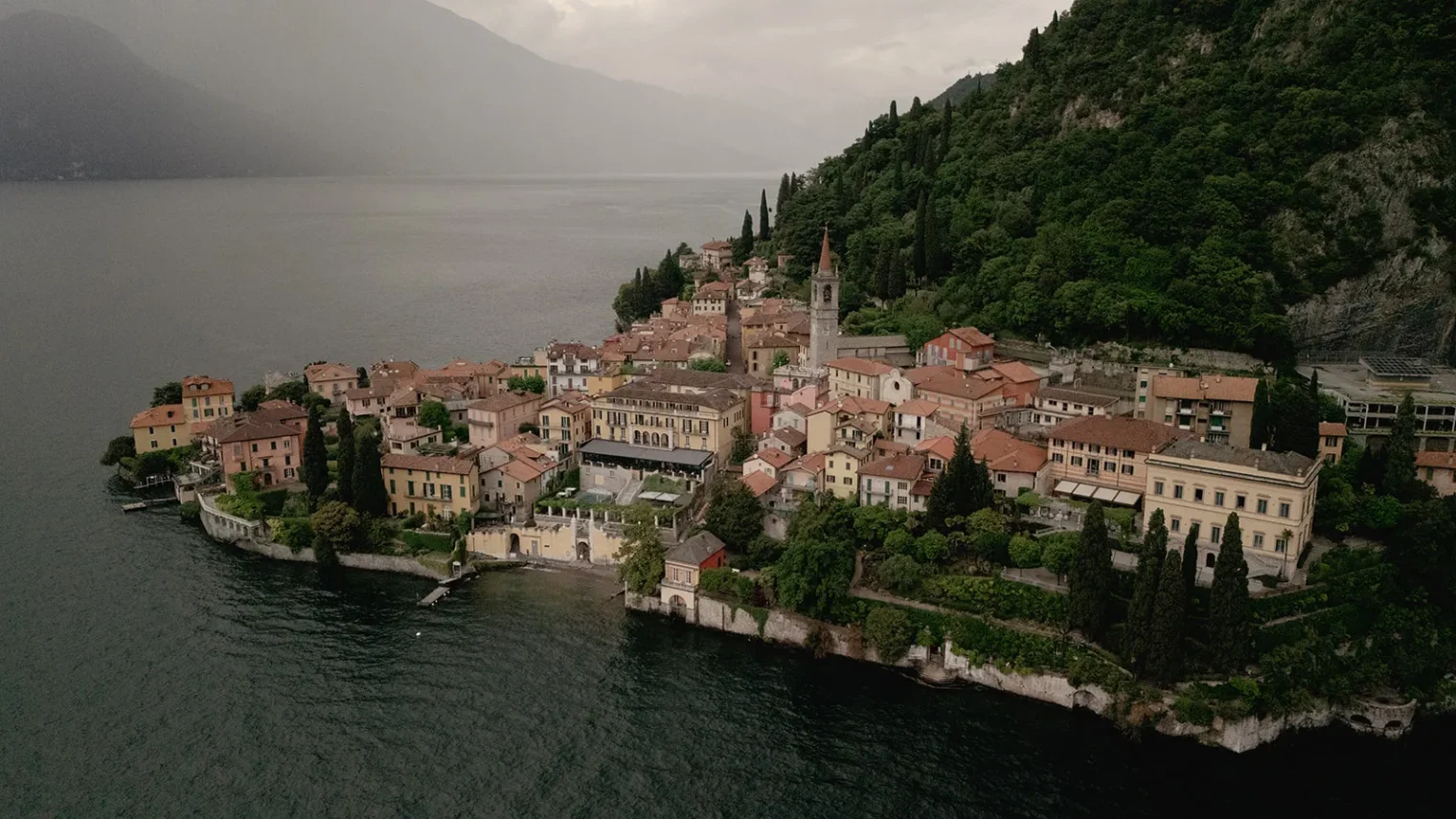
Lake Como For couples chasing cinematic, glamorous imagery — think grand villas, mountain backdrops, and still water — Lake Como is unmatched. It comes at a premium, and popular venues book out far in advance.
Puglia Whitewashed towns, olive groves, and a coastline that feels worlds away from the rest of Italy. Puglia has become increasingly popular for couples wanting something distinct from the classic Tuscan aesthetic, often at a more accessible price point.
Sicily Dramatic coastlines, baroque architecture, and a raw, sun-drenched energy. Sicily suits couples drawn to bold landscapes and a more adventurous elopement experience.
South Italy:
- Apulia
- Otranto
- Ostuni
- Amalfi
- Ravello
- Tropea
- Sicily
- Noto
- Modica
- Palermo
Central Italy:
- Tuscany
- Rome
- Florence
- Siena
- Pienza
- Val d’Orcia
- Anghiari
- Lucca
- Giglio Island
- Umbria
- Cinque Terre
North Italy:
- Braies Lake
- Como Lake
- Venice
- Milan
- Verona
- Dolomites
The Best Season to Elope in Italy
- Spring (April–June): Wildflowers, mild temperatures, and soft light — one of the most popular windows, especially in Tuscany and Umbria.
- Summer (July–August): Long days and reliable weather, but also peak tourist season and higher heat, particularly inland.
- Fall (September–October): My personal favorite season to shoot in — warm golden light, grape harvest in the countryside, and noticeably fewer crowds than summer.
- Winter (November–March): The most affordable and most private season. Fewer venues are open, but for couples prioritizing intimacy over guest-list logistics, it can be extraordinary.

Your Elopement Planning Timeline
- 9–12 months out: Choose your region and lock your date; begin researching venues and photographers (popular dates and locations book quickly)
- 6–9 months out: Book your photographer, videographer, and officiant; begin the legal paperwork if pursuing a civil ceremony
- 3–4 months out: Finalize flowers, hair and makeup, dinner reservations, and any additional guest logistics
- 1 month out: Confirm all vendor timelines, travel arrangements, and — if going the legal route — ensure all documentation is finalized with your consulate
- 1 week out: Arrive with a buffer day before the ceremony to adjust to the time zone and scout your location together
Choosing the Right Vendors for Your Day
The single biggest factor in how your elopement day actually feels is the team around you. Look for vendors who work regularly in the region you’ve chosen — local knowledge of light, permits, and logistics matters far more than a large portfolio alone. I collaborate closely with a network of selected vendors across Italy, including wedding planners, florists, and highly qualified videographers for couples looking for a distinctly authorial, cinematic film. My studio also offers cinematic wedding films and reels as an addition to photography, produced by my direct collaborators and personally coordinated by me from concept to final edit.



Frequently Asked Questions
Can foreigners legally marry in Italy? Yes. Foreigners can marry legally in Italy through a civil ceremony, though required documentation varies by nationality. Many couples instead choose a symbolic ceremony in Italy and complete the legal marriage in their home country beforehand.
How much does it cost to elope in Italy? A minimal elopement can cost under €5,000, while most couples with a small guest list and full-day photography spend between €8,000 and €18,000, depending on region and season.
Do I need a wedding planner to elope in Italy? Not always. A photographer with strong local vendor relationships — like myself — can often coordinate the key elements for a small elopement without a dedicated planner, though larger or multi-day celebrations benefit from one.
What is the best time of year to elope in Italy? Spring and fall offer the best balance of light, weather, and fewer crowds. Fall in particular offers warm golden tones and quieter locations.
How many witnesses do I need for a legal marriage in Italy? Two witnesses are required for a legally binding civil ceremony in Italy.
Can I elope in Italy without any guests? Yes — many of the elopements I photograph involve just the couple, an officiant, and myself. It’s one of the most popular formats specifically because it removes all guest-list pressure.
Do I need to speak Italian to get married in Italy? No. Civil ceremonies can typically be conducted with a translator present, and symbolic ceremonies are usually conducted entirely in English.
Which region is best for a Tuscany elopement? Val d’Orcia, Chianti, and the hills around Siena are the most requested areas for their classic rolling countryside and villa access — all regions I photograph regularly.